
Cold Process Soap
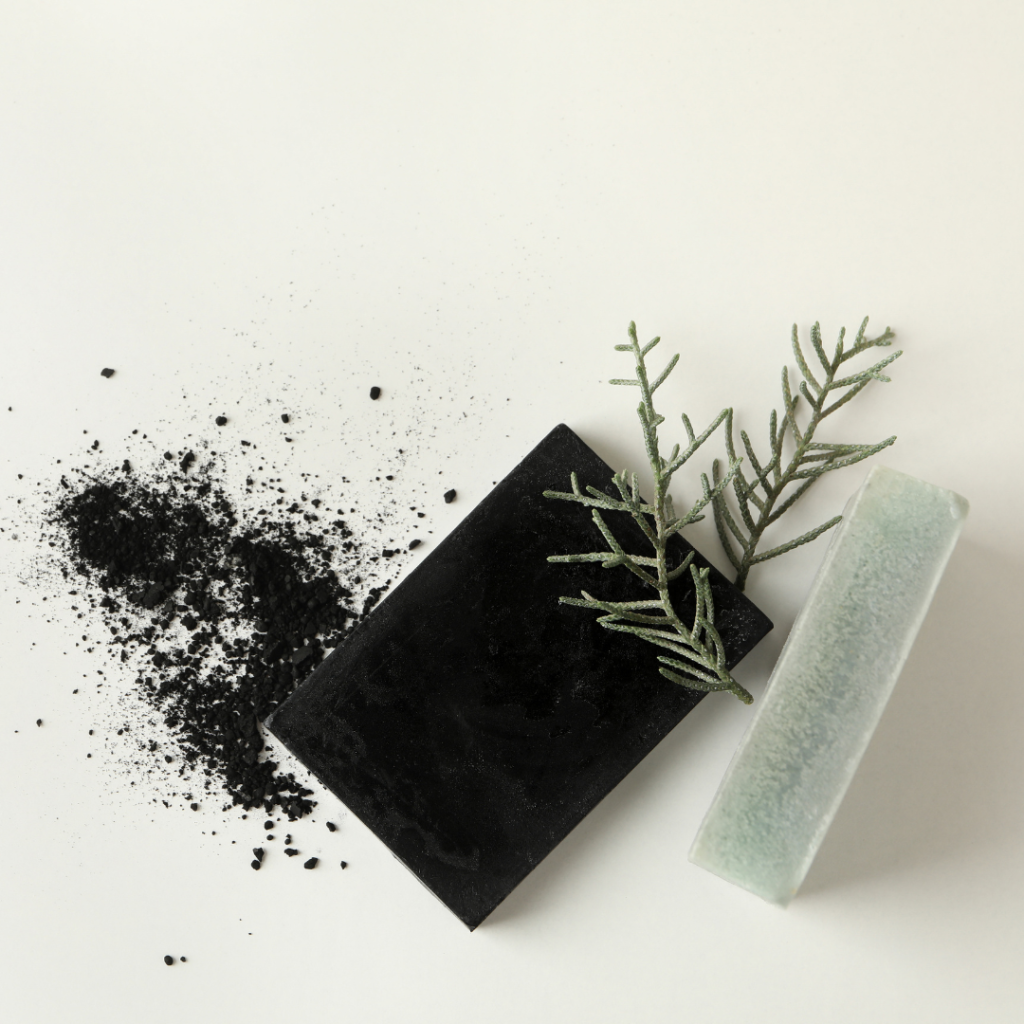
Cold Process Activated Charcoal & Tea Tree Soap Recipe
09
Jul
Jul
Cold Process Activated Charcoal & Tea Tree Soap Recipe
Ingredients
Oils
- 400 g Olive Oil
- 300 g Coconut Oil
- 250 g Sustainable Palm Oil
- 50 g Castor Oil
Total Oils: 1,000 g
Lye Solution
- 143.71g Sodium Hydroxide (Caustic Soda/NaOH)
- 310 ml Distilled Water
Additives
- 10–15 g Activated Charcoal Powder
- 15–20 g Tea Tree Essential Oil
- 1 teaspoon Sodium Lactate (optional)
Equipment
- Digital scale
- Heatproof jug
- Stainless steel or heavy-duty plastic mixing bowl
- Stick blender
- Silicone spatula
- Soap mould
- Thermometer
- Gloves and safety goggles
Method
- Put on gloves and safety goggles.
- Slowly add the sodium hydroxide to the distilled water (never add water to lye). Stir until completely dissolved and allow to cool to 35–40°C.
- Melt the coconut oil and palm oil, then add the olive oil and castor oil. Allow the oils to cool to 35–40°C.
- If using sodium lactate, stir it into the cooled lye solution.
- Pour the lye solution into the oils.
- Blend with a stick blender until a light trace is reached.
- Mix the activated charcoal with a small amount of olive oil to form a smooth paste, then stir it into the soap batter.
- Add the tea tree essential oil and mix well.
- Pour the soap into the mould and tap gently to remove air bubbles.
- Cover and insulate for 24 hours.
- Unmould and cut into bars after 24–48 hours.
- Cure the soap in a cool, dry, well-ventilated area for 4–6 weeks before use.
Benefits
- Deeply cleanses the skin.
- Activated charcoal helps remove excess oil and impurities.
- Tea tree essential oil provides a fresh, clean scent and is known for its skin-purifying properties.
- Produces a hard, long-lasting bar with a creamy lather.
Yield: Approximately 1.45 kg of soap batter, producing around 10–12 bars, depending on the size of each bar.
