
Cold Process Soap, Soap Recipes
Rice Milk Cold Process Soap Recipe
Aug
Rice Milk Cold Process Soap Recipe
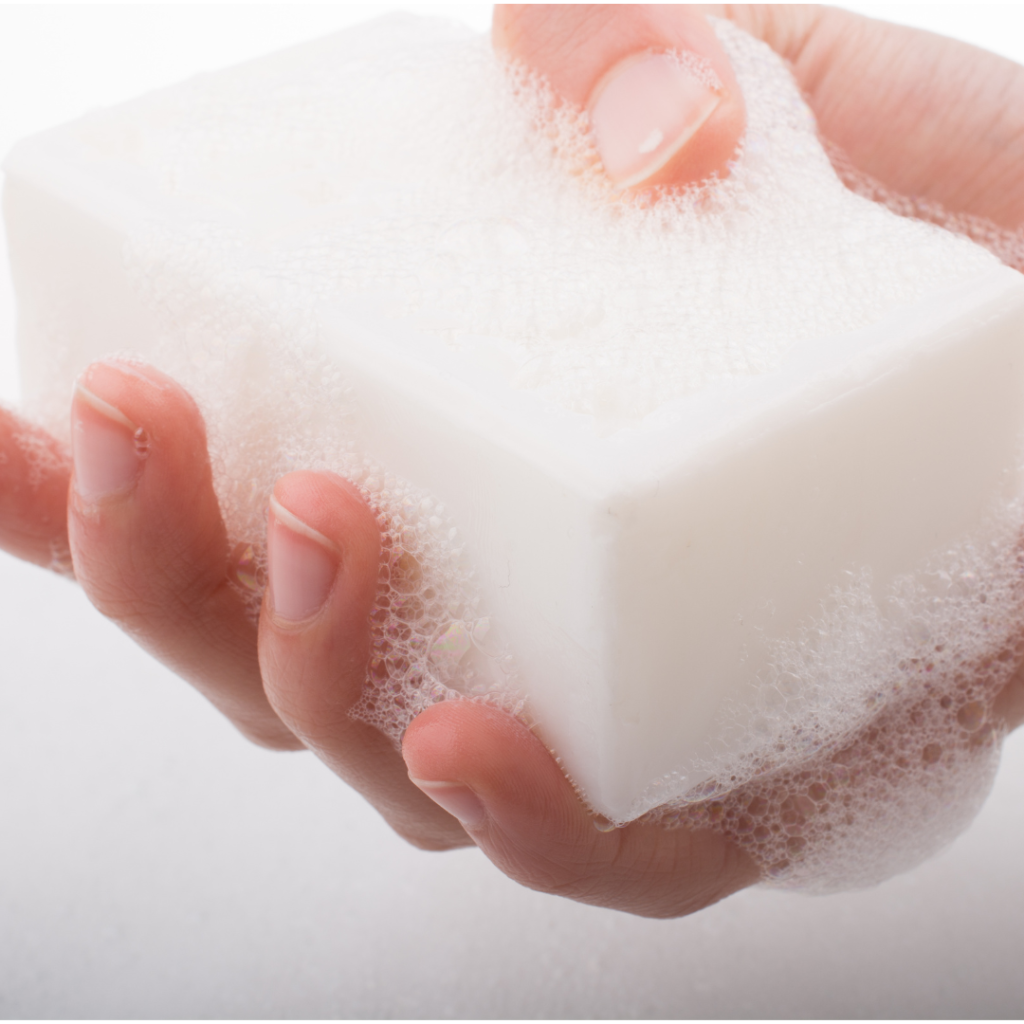
This rice milk cold process soap recipe creates a creamy, gentle-feeling bar with a pleasant, nourishing skin feel. The combination of olive oil, coconut oil, shea butter, rice bran oil, and castor oil provides a balanced bar.
However, always verify your sodium hydroxide purity before making the recipe. The calculation below assumes 100% pure sodium hydroxide and approximately 5% superfat.
Ingredients
Oils and Butters
400 g olive oil
250 g coconut oil
200 g shea butter
100 g rice bran oil
50 g castor oil
Lye Solution
139 g sodium hydroxide (NaOH)
150 g distilled water
150 g rice milk
Additional Ingredients
20 g sodium lactate 60%
20–30 g fragrance oil or essential oil
Preparing the Rice Milk
First, prepare plain rice milk using cooked white rice and distilled water. Blend the rice thoroughly, then strain it through a fine sieve.
Next, allow the rice milk to cool completely. Refrigerate it until thoroughly chilled before adding it to the soap batter.
Rice milk contains natural sugars. Therefore, it can cause cold-process soap to heat more quickly.
Preparing the Lye Solution
Put 150 g distilled water into a suitable heat-resistant container. Slowly add 139 g sodium hydroxide to the water while stirring carefully.
Never add water to sodium hydroxide. Always add the sodium hydroxide slowly to the water.
The solution will become extremely hot. Allow it to cool in a safe, well-ventilated area.
Making the Soap
First, gently melt the coconut oil and shea butter. Then add the olive oil, rice bran oil, and castor oil.
Allow the oils to cool to approximately 30–35°C. Meanwhile, allow the lye solution to cool to a similar temperature.
Next, add the cold rice milk to the oils. Stir gently until everything is evenly combined.
Slowly pour the cooled lye solution into the oils. Use a stick blender in short bursts until light trace develops.
Adding the Remaining Ingredients
Add 20 g sodium lactate 60% and mix thoroughly. Then add 20–30 g fragrance oil or essential oil.
Continue mixing until the ingredients are evenly incorporated. Avoid over-blending, because the batter may thicken rapidly.
Moulding and Curing
Pour the soap batter into the prepared mould. Tap the mould gently to release trapped air bubbles.
Because of the rice milk, avoid deliberately forcing gel. If the soap becomes very warm, place the mould somewhere cool.
After approximately 24–48 hours, check whether the soap is firm enough to unmould. Cut it into bars and place the bars on a well-ventilated curing rack.
Allow the rice milk cold process soap to cure for at least 4–6 weeks. Turn the bars occasionally so they dry evenly.
Important Safety Precautions
Always wear protective gloves, safety goggles, and suitable protective clothing. Work in a well-ventilated area and keep children and pets away.
Never use aluminium equipment when working with sodium hydroxide. Also, never pour water directly into sodium hydroxide.
Most importantly, check the purity printed on your sodium hydroxide container before making this recipe. If your NaOH is 98% rather than 100%, the required amount must be recalculated.
Once the soap has fully cured, the finished rice milk cold process soap should provide a firm, creamy bar suitable for everyday cleansing.
