
Cold Process Soap, Soap Recipes
Yogurt & Buttermilk Cream Soap Recipe
Sep
Yogurt & Buttermilk Cream Soap Recipe
Cold Process Soap Recipe
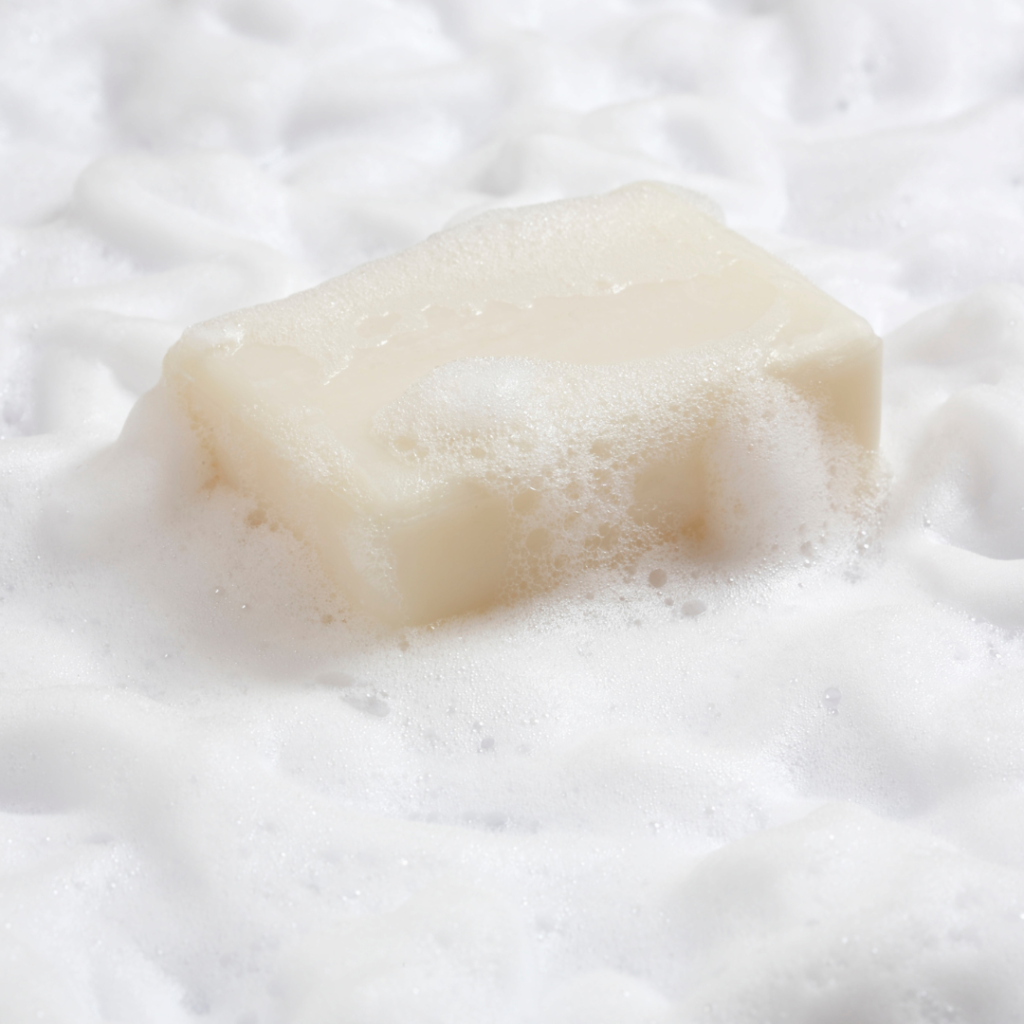
A rich, creamy cold-process soap combining plain yogurt and buttermilk with nourishing plant oils. The dairy contributes to a wonderfully creamy lather and luxurious skin feel.
Batch size: 1 kg oils
Superfat: 7%
Method: Cold process
Ingredients
Oils and butters
- 350 g Olive Pomace Oil
- 250 g Coconut Oil
- 200 g Shea Butter
- 100 g Sweet Almond Oil
- 100 g Castor Oil
Total oils: 1,000 g
Lye solution
- 135.3 g Sodium Hydroxide (NaOH)
- 200 g Distilled Water
Dairy
- 50 g Plain, unsweetened Yogurt
- 50 g Plain Buttermilk
Optional additive
- 10 g Sodium Lactate 60%
Equipment
- Accurate digital scale
- Stainless-steel or heat-resistant mixing containers
- Stick blender
- Silicone spatula
- Soap mould
- Thermometer
- Safety goggles
- Chemical-resistant gloves
- Protective clothing
Method
1. Prepare the dairy
Measure the yogurt and buttermilk and freeze them in small portions.
Using frozen dairy helps prevent the soap batter from becoming excessively hot because milk sugars can cause the soap to heat rapidly.
2. Prepare the lye solution
Put on gloves, goggles and protective clothing and work in a well-ventilated area.
Carefully weigh 135.3 g sodium hydroxide.
Measure 200 g distilled water into a suitable heat-resistant container.
Slowly add the sodium hydroxide to the water, never the other way around.
Stir carefully until completely dissolved.
The lye solution will become very hot. Set it aside in a safe place to cool.
3. Prepare the oils
Melt the coconut oil and shea butter gently.
Add the olive pomace oil, sweet almond oil and castor oil.
Allow the oils to cool to approximately 25–30°C.
4. Add the dairy
When the oils and lye solution have cooled, add the frozen yogurt and buttermilk gradually to the oils.
Use the stick blender in short bursts to incorporate the dairy.
5. Combine the lye and oils
Slowly pour the cooled lye solution into the oils.
Stick-blend in short bursts until the mixture reaches a light emulsion.
Do not over-blend.
6. Add the optional sodium lactate
If using sodium lactate, add the 10 g Sodium Lactate 60% and mix thoroughly.
7. Pour into the mould
Pour the soap batter into your mould.
Because this recipe contains yogurt and buttermilk, do not heavily insulate the soap.
Milk sugars can cause the soap to heat up considerably and may cause overheating or cracking.
Place the mould somewhere cool.
If the soap becomes very hot, refrigerate it to help control the temperature.
8. Unmould and cut
Check the soap after approximately 24–48 hours.
Once it is firm enough to handle, unmould and cut into bars.
9. Cure
Place the bars on a rack with good air circulation.
Allow the soap to cure for at least 6 weeks, turning the bars occasionally.
A longer cure of 8 weeks can produce an even harder, longer-lasting bar.
Important Safety Information
Sodium hydroxide is highly caustic.
Always wear gloves, goggles and protective clothing when handling NaOH.
- Never add water to sodium hydroxide.
- Always add NaOH to water.
- Keep children and pets away from the work area.
- Do not use aluminium equipment.
- Use accurate scales; do not measure NaOH by volume.
- Never substitute an oil without recalculating the NaOH.
- Always verify the NaOH quantity with a reliable soap calculator before making the batch, particularly when using oils from different suppliers because SAP values can vary.
Dairy Soap Tips
Milk soaps can naturally range from cream to pale tan in colour. The sugars in yogurt and buttermilk can also cause the soap to heat more than a standard recipe.
For the best results:
Keep the batter cool, avoid heavy insulation and monitor the mould during the first few hours.
Expected Result
This recipe produces a creamy, conditioning bar with a rich, stable lather. The coconut oil provides cleansing and bubbles, castor oil supports the lather, while olive pomace, shea butter and sweet almond oil contribute conditioning properties.
