
Skincare
DIY Skincare: Hydrating Face Cream and Vitamin C Facial Serum
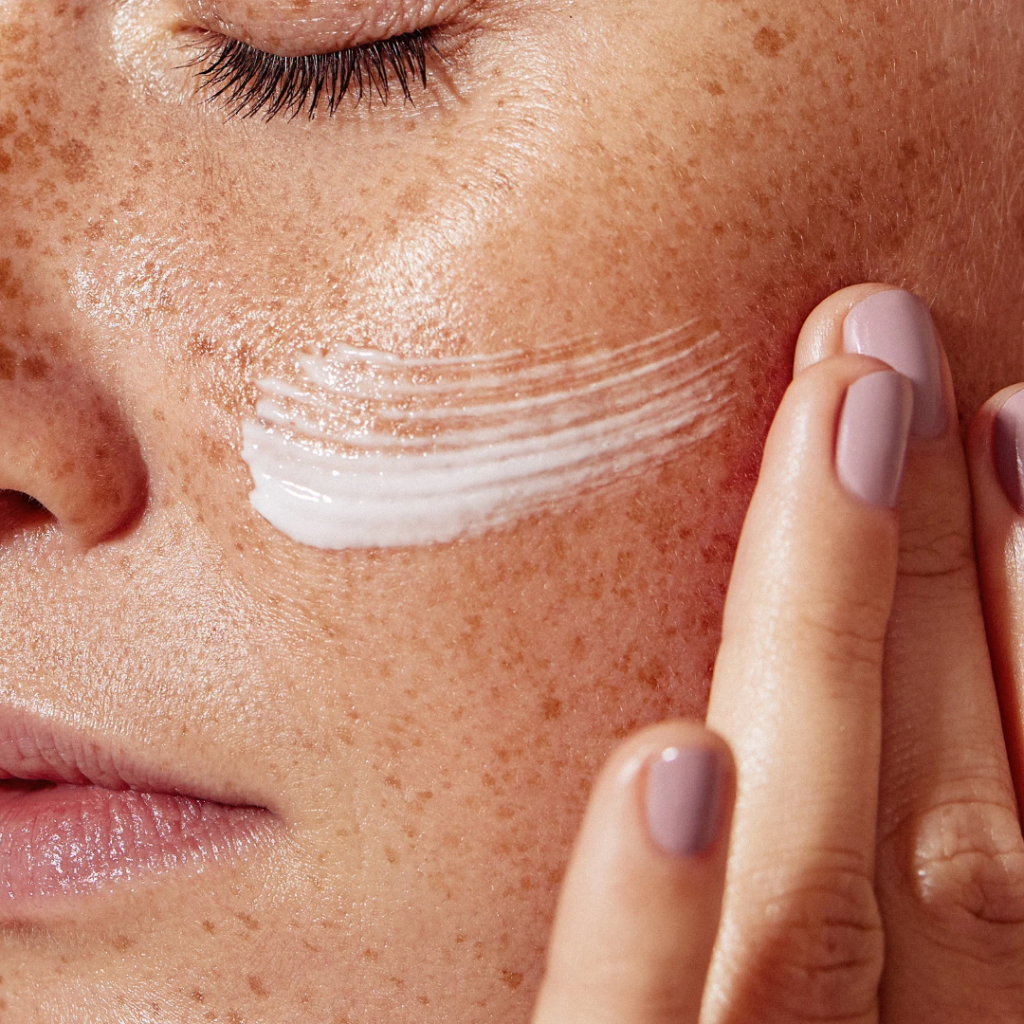
Nov
DIY Skincare: Hydrating Face Cream and Vitamin C Facial Serum
Learn how to formulate two complementary skincare products for dry and dehydrated skin using cosmetic ingredients.
This skincare duo combines a nourishing moisturising cream with a separate Vitamin C facial serum.
The hydrating cream focuses on moisture retention, skin softness and supporting the skin barrier. The Vitamin C serum is a separate antioxidant formulation for experienced cosmetic formulators.
RECIPE 1: Hydrating Betaine, Squalane and Panthenol Face Cream
Batch size: 100g
Suitable for: Dry and dehydrated skin.
This moisturising cream combines humectants, emollients and an oil-in-water emulsifier to create a nourishing facial moisturiser.
Ingredients
| Phase | Ingredient | Weight |
|---|---|---|
| A | Distilled Water | q.s. to 100g |
| A | Vegetable Glycerine | 4g |
| A | Betaine Powder | 2g |
| B | Squalane | 5g |
| B | Shea Butter | 3g |
| B | Olivem 1000 | 5g |
| B | Vitamin E | 0.3g |
| C | Panthenol Powder | 2g |
| C | Euxyl PE 9010 | 0.9g |
The distilled water makes up the balance of the formulation. Reserve approximately 5g of the measured water for dissolving the panthenol.
Manufacturing Instructions
Phase A – Water Phase
- Sanitise all equipment, utensils and preparation surfaces.
- Measure the distilled water, reserving approximately 5g for the panthenol.
- Combine the remaining distilled water, glycerine and betaine powder.
- Mix until the betaine has dissolved.
- Heat to approximately 70–75°C.
Phase B – Oil Phase
- Combine squalane, shea butter, Olivem 1000 and Vitamin E.
- Heat to approximately 70–75°C.
- Stir until the Olivem 1000 and shea butter have completely melted.
Emulsification
- Slowly add Phase B to Phase A while mixing.
- Homogenise until a uniform emulsion forms.
- Continue gentle mixing while the cream cools.
Phase C – Cool-Down
- Dissolve the panthenol powder in the reserved distilled water.
- Allow the cream to cool below 40°C.
- Add the dissolved panthenol solution.
- Add Euxyl PE 9010.
- Mix thoroughly until uniform.
- Measure the finished pH using a calibrated pH meter.
- Aim for a final pH of approximately 5.2–5.5.
- If necessary, adjust using a suitable diluted pH adjuster.
- Check the final batch weight and top up with distilled water to exactly 100g.
- Mix again until uniform.
Understanding the Ingredients
Betaine: A humectant that helps attract and retain moisture while improving skin feel.
Squalane: A lightweight emollient that helps soften the skin and reduce moisture loss.
Glycerine: A well-established humectant that attracts water to the outer layers of the skin.
Panthenol: Also known as Pro-Vitamin B5, panthenol helps improve skin hydration and supports skin barrier comfort.
Shea Butter: Provides emollience and helps soften dry skin.
Vitamin E: An oil-phase antioxidant that helps protect oils against oxidation.
Olivem 1000: An oil-in-water emulsifier that combines the water and oil phases to create a cream.
Euxyl PE 9010: A broad-spectrum cosmetic preservative.
RECIPE 2: L-Ascorbic Acid Vitamin C Facial Serum
Batch size: 100g
Formulation level: Experimental prototype for experienced cosmetic formulators.
L-Ascorbic Acid is the pure form of Vitamin C. It is used in skincare formulations for its antioxidant properties and its role in supporting normal collagen synthesis in the skin.
Unlike some Vitamin C derivatives, L-Ascorbic Acid requires an acidic formulation environment and is sensitive to oxidation.
Important: This is a development formula, not a validated commercial serum. It requires further stability and preservation testing before being recommended as a finished product.
Ingredients
| Ingredient | Weight |
|---|---|
| L-Ascorbic Acid Powder | 10g |
| Vegetable Glycerine | 3g |
| Euxyl PE 9010 | 0.9g |
| Distilled Water | q.s. to 100g |
| Diluted Sodium Hydroxide Solution | As required for pH adjustment |
The distilled water is added to bring the final batch weight to 100g, accounting for the pH-adjusting solution.
Manufacturing Considerations
- Sanitise all equipment and use clean, dry utensils.
- Add approximately 80g distilled water to a suitable beaker.
- Slowly add the L-Ascorbic Acid powder while stirring until dissolved.
- Add the glycerine and mix thoroughly.
- Measure the pH using a calibrated pH meter.
- If necessary, carefully adjust using a suitably diluted sodium hydroxide solution, added drop by drop while monitoring the pH.
- Aim for a final pH of approximately 3.0–3.5.
- Add Euxyl PE 9010 and mix thoroughly.
- Top up with distilled water to a final batch weight of 100g.
- Recheck the pH and mix until uniform.
- Package in a suitable opaque, air-restrictive airless container.
Important Formulation Considerations
pH adjustment: Sodium hydroxide is caustic and must be handled with appropriate protective equipment. Use a properly prepared dilute solution. Do not guess the quantity required.
Adding sodium hydroxide to L-Ascorbic Acid converts some of the acid into sodium ascorbate. Therefore, excessive adjustment should be avoided.
Oxidation: L-Ascorbic Acid is sensitive to oxygen, light, heat and metal ions. Oxidation can reduce the effectiveness of the formulation.
Chelating agent: Consider investigating a suitable chelating agent, such as Disodium EDTA, to help reduce metal-catalysed oxidation. Its compatibility and appropriate use level must be established during formulation development. Any addition requires recalculating the water quantity.
Preservation: Euxyl PE 9010 is compatible with acidic formulations, but its dispersion and preservation performance must be verified in this particular formulation. A preservative does not prevent Vitamin C oxidation.
Testing: Stability, oxidation and preservative efficacy testing are essential before assigning a shelf life or offering the serum for sale.
HOW TO USE YOUR TWO PRODUCTS
Morning Routine
- Cleanse the face with a gentle facial cleanser.
- Apply a small amount of Vitamin C serum to clean, dry skin, once the formulation has been properly validated.
- Follow with the Hydrating Face Cream.
- Finish with broad-spectrum SPF 30–50 sunscreen.
Evening Routine
- Cleanse the face.
- Apply the Hydrating Face Cream.
Introduce Vitamin C gradually to assess skin tolerance. Discontinue use if persistent irritation occurs.
IMPORTANT FORMULATION AND SAFETY NOTES
- Always use cosmetic-grade ingredients.
- Betaine powder and Cocamidopropyl Betaine are different ingredients and must not be confused.
- Use a calibrated pH meter rather than relying on pH strips for accurate formulation.
- Always sanitise equipment and packaging.
- Ensure all ingredients are compatible with the selected formulation.
- Do not assign a shelf life without appropriate testing.
- Conduct stability testing and preservative efficacy testing before commercial production.
- Use opaque, air-restrictive packaging for the Vitamin C serum.
- Store finished products away from direct sunlight and excessive heat.
- Discard the Vitamin C serum if significant yellow, orange or brown discolouration develops.
These recipes are cosmetic skincare formulations and are not intended to diagnose, prevent or treat medical conditions.
Shop Your Skincare Ingredients
Find your cosmetic formulation ingredients at:
Explore our range of emulsifiers, cosmetic enhancers, preservatives, carrier oils, butters and skincare ingredients.
Fun With Soap – Helping you create beautiful skincare products since 2006.
